Research
Cryptosporidiosis is an important infectious disease
Cryptosporidium is a gastro-intestinal parasite that causes diarrheal disease in humans and animal livestock. A study conducted in various regions of sub-Saharan Africa and South Asia highlighted Cryptosporidium as a significant contributor to moderate-to-severe diarrhea among children under the age of two. In children, an asymptomatic infection can cause malabsorption and lead to stunting and failure to thrive. There are no effective vaccines against this pathogen and the only drug used to treat Cryptosporidium, nitazoxanide, has limited efficacy in immunocompromised patients and children. Cryptosporidiosis is substantially under-reported and under-diagnosed; even in countries where modern diagnostics are widely available

Cryptosporidium strains differ in their virulence and persistence and recombine to drive adaptation
Cryptosporidium spp. can colonize almost all vertebrates. Recently identified strains have been linked to a rise in cryptosporidiosis cases in the United States rapidly sweeping across the country. However, the specific parasite genes important for this fitness advantage such as higher transmissibility and longer (chronic) infections remain unknown. Two C. parvum subtypes, IIa and IId, show interesting differences in virulence and persistence. Mice infected with C. parvum subtype IId showed higher oocyst shedding (as a proxy for virulence) within the first 10 days post infection, with no clearance over a 50-day period (as a proxy for persisters). C. parvum subtype IIa, however, is cleared after two to three weeks (non-persisters) and is considered as non-virulent. There is an urgent need to expand research on this neglected parasite to gain a deeper understanding of its biology and to discover novel therapeutic and preventive strategies to reduce its global impact.
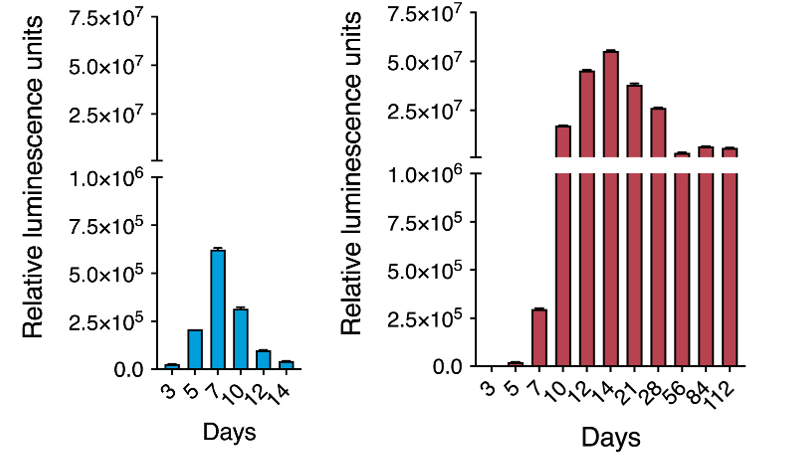
In the Shaw Lab, we are interested to study and find answers to the following outstanding questions:
(1) What is the genetic basis for persistence and virulence?
(2) How do host cell responses differ when infected with phenotypically different strains?
(3) Which genes in the secretory protein family play a critical role in persistence and virulence?
We use forward genetics and experimental crosses to identify parasite loci that control virulence, persistence, and drug susceptibility in Cryptosporidium. Our lab develops and applies scalable genome engineering approaches, to dissect complex parasite traits. We aim to investigate how host environment, nutrition, and immune pressure shape parasite fitness, disease outcome, and transmission.